by Guy | Jun 14, 2024 | News
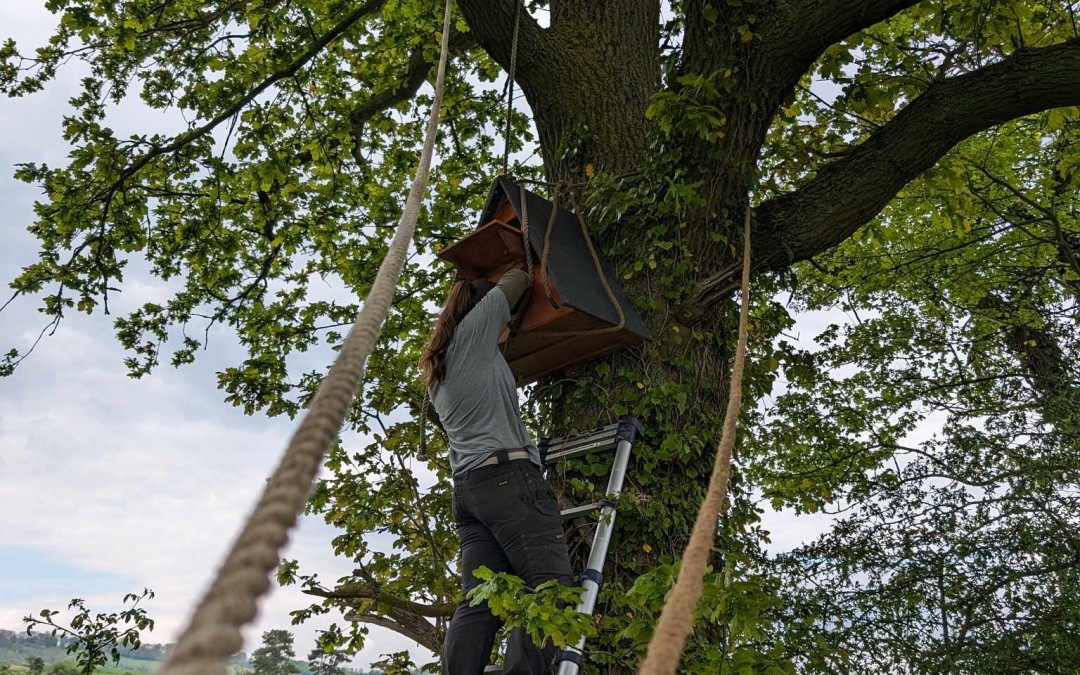
With the help of our friends from Medway Valley Countryside Partnership, we’ve installed two Barn Owl nesting boxes on the Birling Estate. These will create safe breeding spaces for barn owls, whose natural habitats are often threatened by urban development and...
by Guy | Jun 14, 2024 | News, Uncategorized
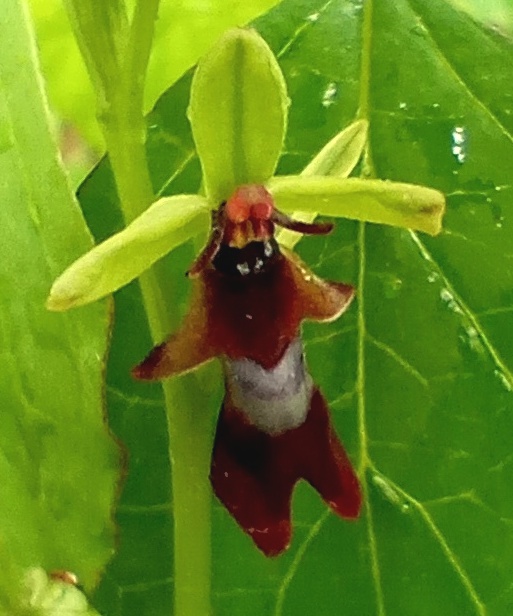
Birling Estate recently welcomed a group of dedicated citizen scientist volunteers to participate in wildlife surveys. These surveys, a vital part of the estate’s conservation efforts, commenced in the Site of Special Scientific Interest (SSSI) chalk grassland...
by Henry Person | May 2, 2024 | News
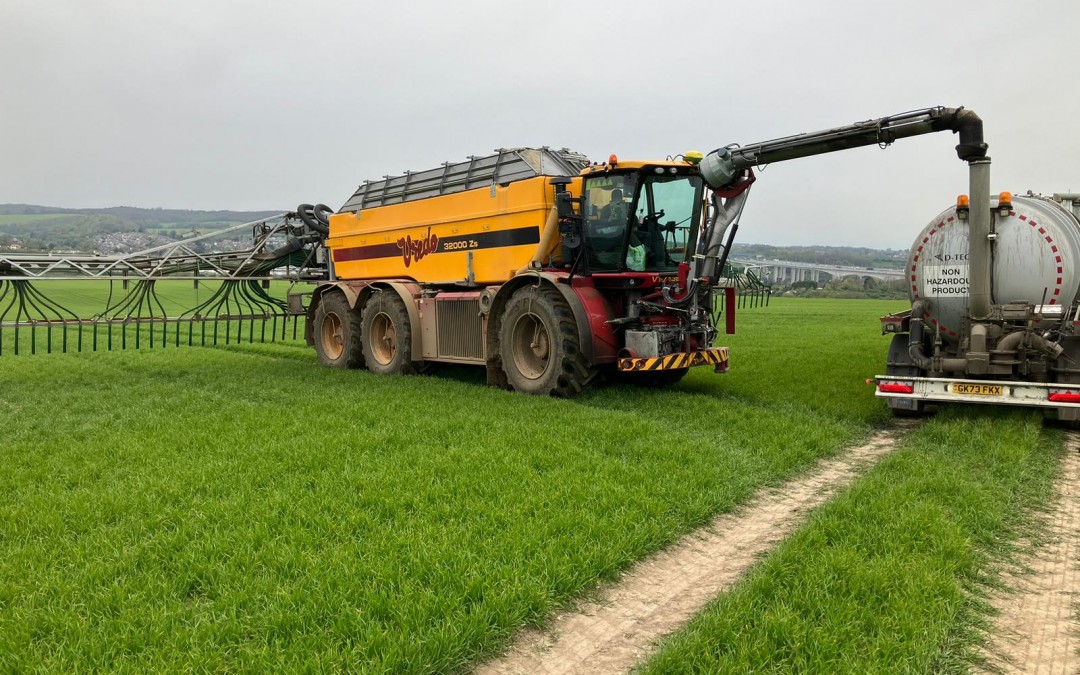
Across 320 acres of our arable fields we have started the latest application of digestate – an organic fertiliser that we’ve used for the past three years as part of our commitment to improving soil health and reducing Birling Estate’s carbon footprint....
by Guy | Mar 15, 2024 | News
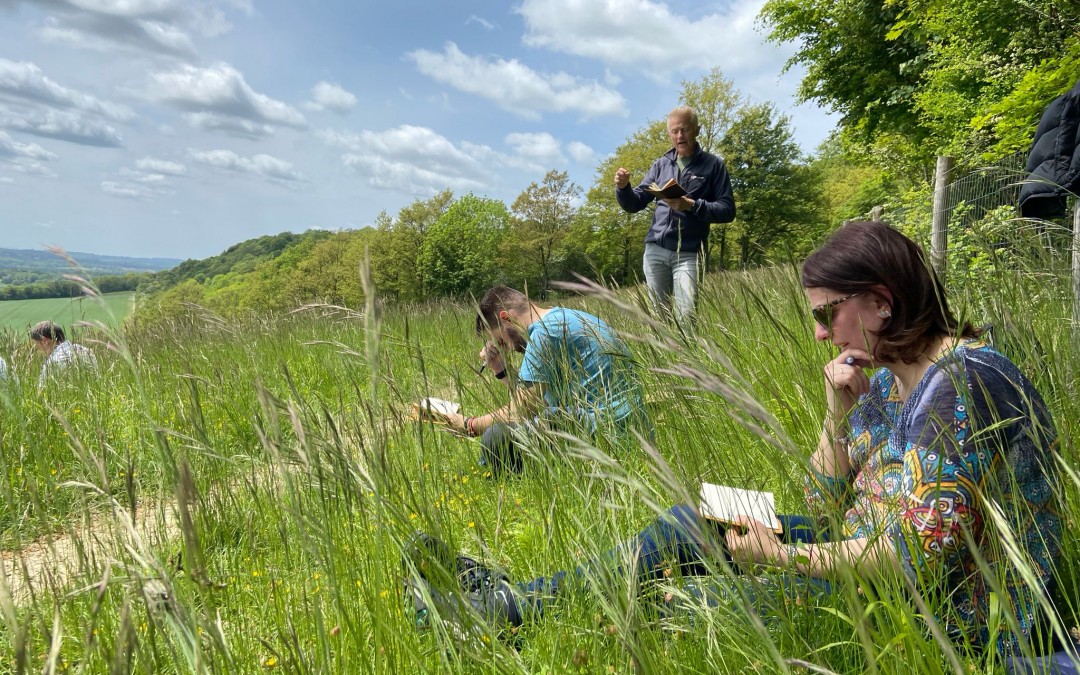
Starting this Spring, we are inviting amateur naturalists into Birling Estate to help with the important job of recording plant and animal species. This year Birling Estate is moving into Higher Tier Countryside Stewardship; through this DEFRA scheme we are committing...
by Guy | Jan 19, 2024 | News
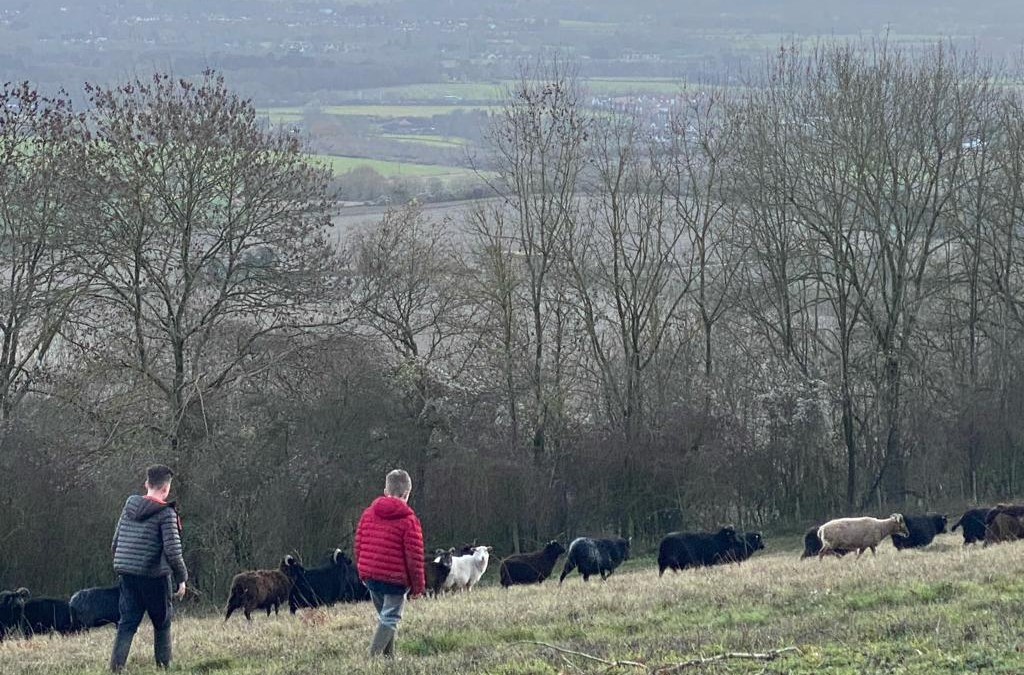
Exciting news! We’ve recently bought some native and rare breed hill sheep to go on the fields next to the campsite. Mostly Hebridean, with some Manx and Shetland, they are smaller and tougher than your normal white woolly sheep. They are ideally suited to leave out...
by Guy | Jan 9, 2024 | News
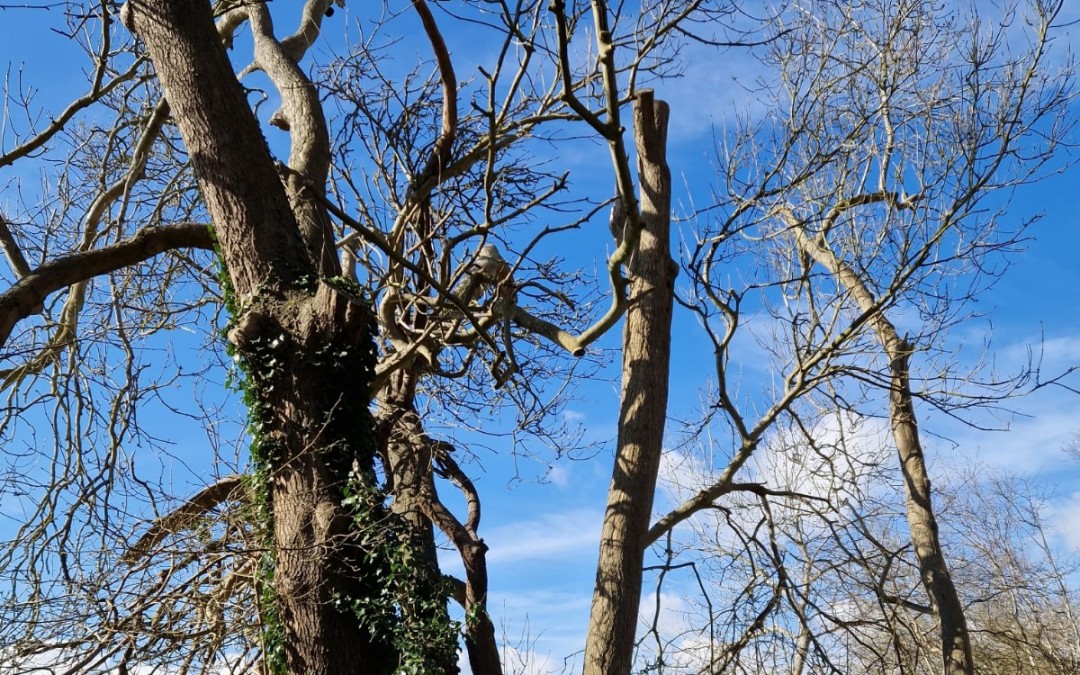
What is Ash Dieback? Ash dieback is a fungus that was first identified in the UK in 2012 and which is quickly spreading throughout the UK. It is estimated that it will lead to the loss of up to 99% of our native Ash trees. Ash dieback causes branches and eventually...
Recent Comments