
As we mark World Wildlife Day on 3rd March, it’s a chance to celebrate the extraordinary variety of wildlife recorded across Birling Estate in 2025. From the flower-rich chalk grasslands to ancient woodland and wildlife-friendly farmland, the year brought encouraging signs that long-term habitat restoration is beginning to deliver real gains for nature. Here are some of the highlights that made the year so special.
🌸 Pyramidal Orchid
One of the most eye-catching plants of our chalk grasslands, pyramidal orchid produced strong displays in early summer, a species closely tied to unimproved chalk grassland and often used as an indicator of high-quality, species-rich habitat that has become increasingly rare across the UK.
💜 Violet Helleborine
This secretive orchid was recorded within several of our ancient woodland rides, a shade-tolerant specialist that depends on stable, long-established woodland conditions and is still locally uncommon across much of Kent.
🦋 Marbled White
Marbled white butterflies drifted across the taller grassland through mid-summer, a classic species of flower-rich meadows that relies on diverse grasses and low-intensity management, making it a valuable indicator of traditional grassland structure.
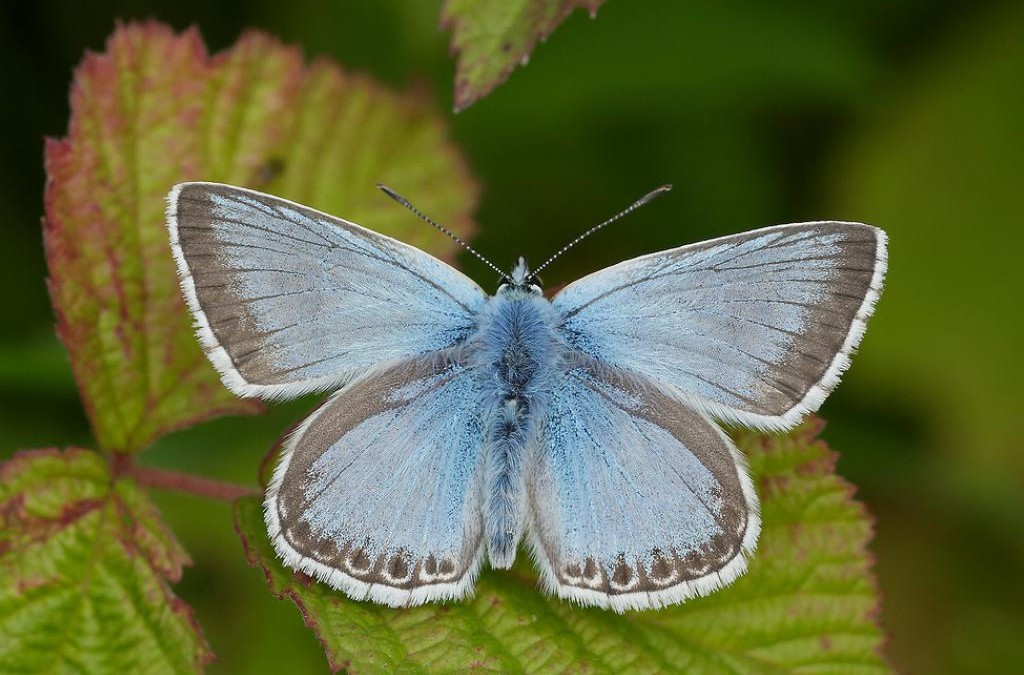
💙 Chalkhill Blue
A stronghold species for Kent, chalkhill blue had a particularly good year, reflecting the importance of south-facing chalk slopes and the presence of horseshoe vetch, the sole foodplant for its caterpillars and a true specialist of calcareous grassland.
🧡 Silver-washed Fritillary
One of the UK’s largest butterflies, silver-washed fritillary was seen in woodland glades and rides, closely associated with ancient woodland where violets thrive and where structural diversity allows these powerful fliers to flourish.
⚪ White Admiral
White admiral glided through oak-dominated woodland, a species that has declined in parts of southern England but remains strongly linked to ancient woodland networks with abundant honeysuckle.
🎶 Nightingale
The unforgettable song of nightingale returned to our scrub and hedgerows, a migrant bird in serious decline nationally but still closely associated with the scrubby mosaics of Kent’s lowland landscapes.
☁️ Skylark
Skylarks continued to rise and sing over open farmland, a once common species that has suffered significant national declines, highlighting the importance of sympathetic farming and open-field habitats.
🐦 Whitethroat
Whitethroat bred across the estate, a summer migrant closely tied to thick, flowering scrub and hedgerow networks, habitats that are vital for biodiversity but often undervalued in modern landscapes.
🦗 Southern Oak Bush-cricket
Southern oak bush-cricket was recorded around woodland edges and parkland trees, a species with a predominantly south-eastern distribution that is expanding northwards and reflects both habitat quality and climate change influences.
🟤 Rufous Grasshopper
Rufous grasshopper was noted in good numbers in tall, flower-rich grassland, a specialist that favours structurally diverse swards and benefits from low-input grazing and varied cutting regimes.
🐹 Hazel Dormouse
One of the highlights of the year was confirmation of hazel dormice within our woodland network, a rare and vulnerable species dependent on well-connected, species-rich woodland and hedgerows and a flagship for landscape-scale conservation.
Looking ahead, we’re proud to be taking part in a hazel dormouse conservation project led by Natural England as part of our involvement in the North Kent Woods and Downs National Nature Reserve, and we’ll be sharing more about our progress and early findings later this spring.
Here’s to another year of discovery, restoration and wildlife recovery at Birling Estate. 🌱
Recent Comments