
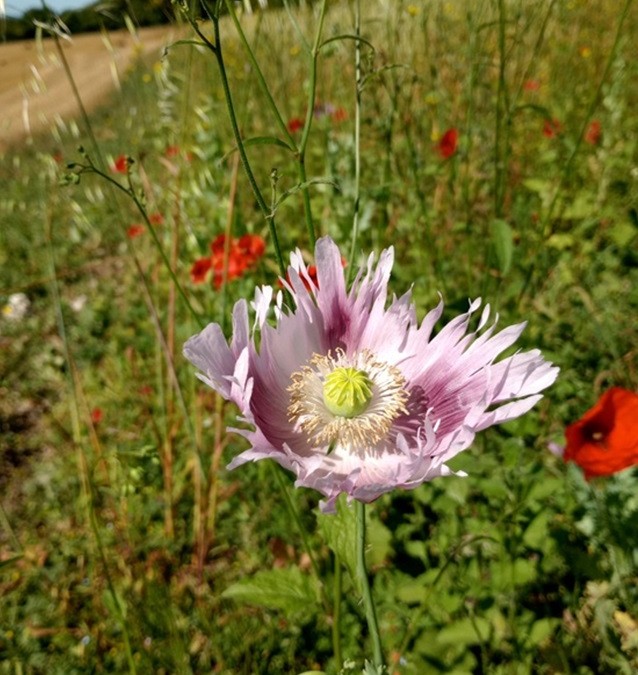
As the summer sun begins to wane and the survey season draws to a close, we’re thrilled to share some of the exciting and unexpected discoveries our dedicated team of citizen scientists has uncovered on the estate this year. It’s been a season filled with surprises, from the flutter of rare moths to the whisper of Skylarks in the fields, each one a testament to the thriving ecosystems we’re fortunate to protect and nurture.
Moth Magic: Over 100 Species and Counting!
This year, our nocturnal surveys revealed a delightful diversity of moth species, with over 100 identified across just three nights. Such variety speaks volumes about the health of our local habitats, but there were a few particularly special guests we simply have to highlight.
- Evergestis Limbata: Once a rarity, this little moth has made itself quite at home here over the past decade, spreading across Kent from the continent. Our estate is now part of its growing territory, a notable record for West Kent!
- Gypsy Moth: After being declared extinct in the UK, the Gypsy Moth has made a remarkable comeback, spreading from Europe across Kent and London over the past eight years. It’s incredible to see it thriving here, although it does serve as a reminder of the ongoing changes in our climate.
- Festoon: Nationally scarce and mostly found in mature woods of the South East, the Festoon is a true gem. Its presence here is a fantastic indicator of the exceptional health of Whitehorse Wood.
- Waved Carpet: Another scarce species in the South East, its presence in our woods is a great sign of mature, damp woodland—perhaps the best record of the year and a testament to the vitality of our woodland habitats.
Botanical Bonanza: Rare Finds on the Chalk Grassland
Our chalk grasslands have been buzzing with botanical excitement this year. Among the highlights were several rare orchids, each one a small miracle of nature.
- Fly Orchid, Man Orchid, and Bee Orchid: These three beauties are not just rare but also essential indicators of the richness and diversity of our chalk grasslands. Finding them here is a sign that our conservation efforts are paying off!
- Eyebright Hybrid: This rare hybrid is another fantastic find, highlighting the unique and delicate balance of our grassland ecosystems.
Arable Margins: A Hidden Treasure Trove
The edges of our arable fields might not seem like much at first glance, but they’ve proven to be hotspots for some truly remarkable plant species.
- Crosswort and Venus’s-looking-glass: Both species are listed in the Kent Rare Plant Register, with Venus’s-looking-glass also recognised as a Kent Axiophyte—a plant indicative of important habitats.
- Narrow-fruited Cornsalad and Dwarf Spurge: These are not just rare but also serve as key indicators of arable land health. Both species are on the Kent Rare Plant Register and are valued as Arable Indicator Species.
- Greater Knapweed, Sharp-leaved Fluellen, and Yellow-wort: These Kent Axiophytes are vital parts of our arable margins, contributing to the overall biodiversity and ecological health of the area.
The Return of the Skylark
In an era where their numbers have dwindled due to intensive agriculture, hearing the Skylarks’ song on our arable fields is a heartening reminder that all is not lost. Skylark populations have declined by nearly 50% since the 1970s, so their presence here is a true cause for celebration.
Barn Owls: A Home of Their Own
We’re ending the season on a hopeful note with our Barn Owl nesting boxes, which were set up in mighty oak trees by the Medway Valley Countryside Partnership. Early signs of habitation—pellets and owl poo—suggest that these magnificent birds may soon make our estate their permanent home. Fingers crossed for a successful breeding season next year!
As we wrap up this year’s wildlife surveys, we can’t help but feel a sense of pride and optimism. The diversity and rarity of species found on the estate are not just numbers and names—they’re living proof that our efforts to conserve and protect these precious habitats are making a real difference. Here’s to more discoveries and even greater successes in the seasons to come!
A big thank you to the West Kent Moth Group and Kent Botanical Recording Group for their expertise and collaboration in these surveys.
Recent Comments